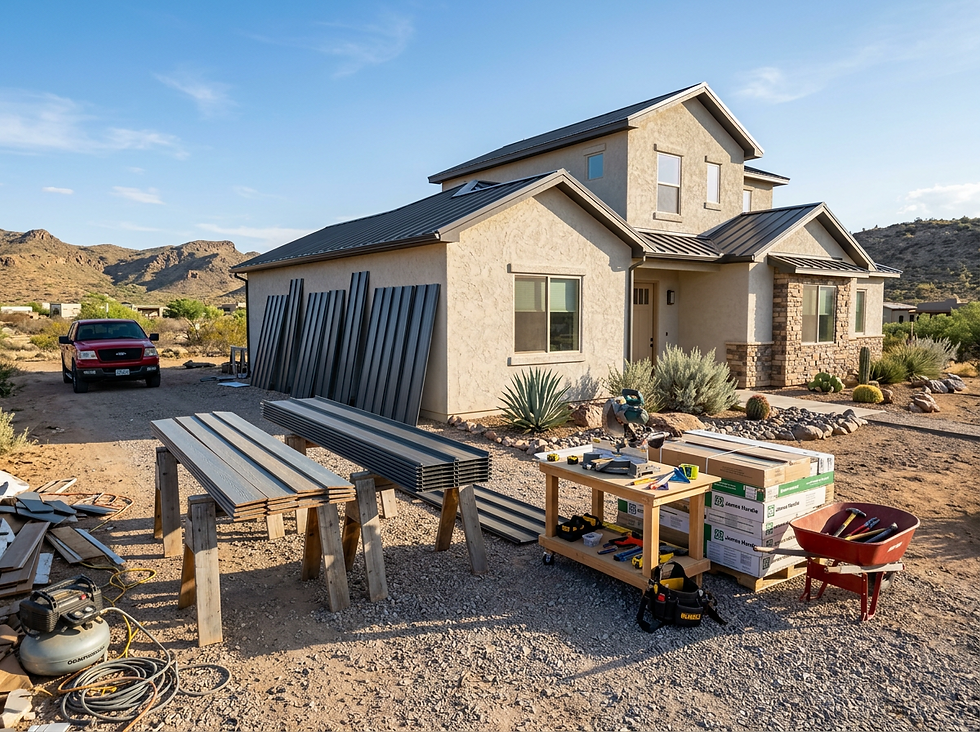
Why Expert Siding Installation Boosts Durability Beauty and Long Term Value
Siding does more than cover the outside of a home. It protects the structure from rain, wind, sun, pests, and temperature swings while shaping the first impression from the curb. When it is installed well, siding looks clean, sheds water properly, and lasts for years. When it is installed poorly, small gaps and uneven seams can turn into rot, warping, drafts, and expensive repairs.
That is why professional installation matters. The right material is only part of the project. The real performance comes from careful measurement, correct flashing, proper fastening, and attention to the details most people never see once the job is finished.

Professional installation protects the home from the start
Siding is a weather barrier, but it is not meant to work alone. It must connect properly with house wrap, flashing, trim, windows, doors, vents, and rooflines. A skilled installer understands how all of these parts work together.
A good siding system should:
Direct water away from the sheathing
Allow room for normal expansion and contraction
Resist wind uplift
Keep panels straight and evenly spaced
Protect vulnerable areas around openings
Create a finished look that fits the home
Many siding problems trace back to improper installation rather than defective material. Panels nailed too tightly can buckle. Joints placed in the wrong areas can invite water behind the siding. Missing flashing can send moisture into walls. Poor starter strip placement can make the first course crooked, which affects every row above it.
Expert siding installation services help prevent these issues because experienced crews follow manufacturer specifications and local building requirements. They also know how to adjust for real jobsite conditions, such as uneven framing, older sheathing, tricky corners, or additions that were built at different times.
That field experience is hard to replace. Siding looks simple from a distance, but the best results come from dozens of small decisions made correctly.
Durability depends on details hidden behind the finished surface
The most attractive siding can fail early if the hidden layers are wrong. Proper preparation often determines whether the finished exterior lasts or becomes a maintenance problem.
Before siding goes up, contractors should inspect the wall surface. Damaged sheathing, soft wood, mold concerns, or old moisture problems need attention first. Covering those problems can trap damage and make future repairs more costly.
A durable installation also depends on moisture management. Homes need a way to shed bulk water and let incidental moisture dry. That means careful use of house wrap, flashing tape, drainable details, and correct clearances near grade, roofs, decks, and walkways.
Fastening is another major factor. Nails or screws must hold the siding securely without restricting movement. Vinyl siding, for example, needs room to expand and contract with temperature changes. Fiber cement requires proper fastening depth and spacing. Wood siding needs the right clearance, sealing, and ventilation. Each product has its own rules.
When contractors ignore those details, the results may not show right away. Problems often appear months or years later as waves, cracks, loose panels, stained walls, or swelling trim. A careful installation reduces those risks from the beginning.
The best siding job is not just the one that looks good on day one. It is the one that still looks straight, dry, and secure after years of weather.

A beautiful exterior comes from planning, not guesswork
Siding has a major effect on curb appeal. Color, profile, texture, trim width, corner boards, and reveal lines all shape the finished look. Professional installers bring a practical eye to those choices.
Good aesthetics are not only about choosing a nice color. They also depend on layout. Contractors plan where seams will fall, how panels will meet trim, how corners line up, and how transitions will look between siding types.
For example, a home with long wall sections may need thoughtful seam placement so joints do not create a distracting pattern. A gable may need precise cuts to keep angles sharp. A porch, bay window, or dormer may require trim details that look intentional rather than patched together.
Experienced contractors also help avoid mismatched materials. Some trim products pair better with certain siding types. Some colors show dirt, fading, or surface texture more than others. Some profiles look better on traditional homes, while others suit modern designs.
When the installation team understands both building science and exterior design, the finished result feels balanced. The siding protects the house, but it also looks like it belongs there.
Choosing the right siding material starts with the home and climate
There is no single best siding material for every house. The right choice depends on budget, architecture, maintenance expectations, local weather, fire concerns, and how long the homeowner plans to stay.
Here is a practical comparison of common options.
Siding material | Strengths | Things to consider |
Vinyl siding | Cost-effective, low maintenance, wide color selection | Can warp if installed too tightly or exposed to high heat |
Fiber cement siding | Durable, fire resistant, strong curb appeal | Heavier material that requires skilled cutting and fastening |
Engineered wood siding | Warm wood-like look, lighter than fiber cement | Requires correct sealing and clearance from moisture |
Natural wood siding | Classic appearance, flexible design options | Needs regular staining, painting, and moisture control |
Metal siding | Strong, modern look, resistant to pests | Can dent and may require careful detailing to avoid oil-canning |
Fiber cement products, including james hardie siding, are popular because they offer a strong, finished appearance and good resistance to many common exterior threats. Still, they must be installed according to manufacturer instructions. Cutting dust control, joint treatment, clearance requirements, and fastening patterns all matter.
Vinyl siding remains a practical choice for many homes, especially when budget and low maintenance are priorities. Its long-term success depends on correct nailing, proper panel overlap, and room for movement.
Wood and engineered wood can look beautiful, but they need smart detailing. End cuts should be sealed where required, boards need proper spacing, and moisture exposure must be managed.
The material should match more than personal taste. It should fit the home’s environment, care routine, and performance needs.
Experienced contractors bring accountability and problem-solving
Hiring an experienced siding contractor adds value beyond labor. A qualified crew can identify issues before they become bigger problems, recommend suitable materials, and coordinate the details that affect long-term performance.
Look for contractors who can explain their process clearly. They should be able to discuss surface preparation, flashing, moisture barriers, trim details, cleanup, and warranty coverage without vague answers.
Strong contractors often provide:
A written scope of work
Proof of licensing where required
Insurance documentation
Product and workmanship warranty details
References or examples of completed work
Clear material specifications
A plan for dealing with hidden damage
The estimate should spell out what is included. Removal of old siding, disposal, house wrap, trim replacement, painting, repairs, and permit handling may vary by project. A low bid can become expensive if it leaves out essential steps.
Experience also matters when surprises appear. Older homes may have uneven walls, previous water damage, outdated flashing, or layers of old material. A seasoned contractor knows how to adapt without cutting corners.
Good communication is part of the job too. Homeowners should know when work will start, how the property will be protected, what access the crew needs, and how daily cleanup will be handled. The best contractors make the process predictable.

Common siding installation mistakes can shorten the life of the exterior
Many siding failures come from avoidable mistakes. Some are visible right away. Others stay hidden until weather exposes them.
One common mistake is fastening panels too tightly. Siding materials expand and contract. If panels cannot move, they may buckle, ripple, or crack.
Another problem is poor flashing around windows, doors, and penetrations. Water often enters at transitions, not through the middle of a panel. Vents, lights, hose bibs, and electrical boxes all need proper blocks, flashing, or sealant details.
Improper clearances also cause trouble. Siding installed too close to soil, roof surfaces, concrete, or decking can wick moisture or collect splashback. Over time, this can stain, swell, or rot materials that are not meant for constant moisture exposure.
Bad seam placement affects both appearance and performance. Random joints, short offcuts, and poorly staggered seams can make a wall look messy. They may also create weak areas where wind-driven rain can enter.
Skipping wall repairs is another costly error. Installing new siding over damaged sheathing or old rot may hide the issue temporarily, but it does not solve it. The repair becomes harder later because the new exterior must be removed to reach the problem.
Caulking mistakes can also create problems. Some joints need sealant, while others need drainage or movement. Too much caulk in the wrong place can trap water. Too little in the right place can allow leaks.
Professional crews avoid these mistakes by following product guidelines, using the right tools, and taking enough time for prep work.
Maintenance keeps siding looking good and performing well
Even high-quality siding needs basic care. Maintenance does not have to be difficult, but it should be consistent.
A simple yearly inspection can catch issues early. Walk around the home and look for loose panels, cracked caulk, open joints, impact damage, stains, soft trim, or signs of pests. Pay close attention to areas near gutters, downspouts, rooflines, decks, and landscaping.
Cleaning also helps siding last. Most homes benefit from a gentle wash with a garden hose, soft brush, and mild cleaner. Avoid aggressive pressure washing unless the siding manufacturer allows it and the operator knows how to keep water from being forced behind the panels.
Gutters matter more than many people realize. Overflowing gutters can pour water down siding and create staining or moisture issues. Keep gutters clear and make sure downspouts direct water away from the foundation.
Trim shrubs and plants so they do not rub against the siding. Constant contact can trap moisture, scratch finishes, and give insects a path to the wall.
Painted materials need finish care. Wood, engineered wood, and some fiber cement products may need repainting over time based on the coating, exposure, and manufacturer guidance. Repainting before the finish fully breaks down helps protect the material underneath.
Prompt attention to small problems can prevent larger siding repairs. A loose piece of trim, cracked sealant joint, or damaged panel is easier to address early than after water enters the wall assembly.

Long-term value comes from doing the whole project right
New siding can improve curb appeal, reduce maintenance stress, and protect the structure. It can also support resale value because buyers notice a clean, well-maintained exterior. But the long-term return depends on the quality of the full job, not just the product label.
A well-installed siding system helps prevent moisture damage, holds its shape, and keeps the home looking cared for. It also reduces the chance of repeated repair calls caused by loose panels, leaks, or poor detailing.
The best projects start with an honest assessment. Choose a material that fits the home, budget, and climate. Hire contractors who understand both the technical and visual sides of the work. Ask clear questions before signing. Make sure the scope includes preparation, flashing, trim, cleanup, and warranty terms.
Siding is one of the most visible parts of a home, but its real value comes from what it quietly does every day. It shields the walls, frames the architecture, and helps the property age with fewer problems. When installed by skilled professionals and maintained with care, siding becomes more than an exterior finish. It becomes a long-term investment in durability, beauty, and peace of mind.