


Upgrade Your Windows When Replacing Siding = Maximum Savings and Efficiency
Replacing siding is one of the few home projects that exposes the bones of a house. Once the old material comes off, the wall system, window edges, flashing, trim, and weather barrier are all easier to reach. That creates a rare opportunity: upgrade the windows while the exterior is already open.
Handled together, new siding and new windows can improve comfort, reduce energy waste, sharpen curb appeal, and lower the total cost of the work. Handled separately, the same two upgrades often require duplicated labor, repeated disruption, and more chances for gaps around openings.
If the siding is already worn, cracked, faded, or failing, it is smart to look closely at the windows before the new exterior goes on. The decision does not always have to be all or nothing, but in many homes, pairing the projects makes practical and financial sense.

Windows and siding work better when they are planned together
Windows and siding meet at some of the most vulnerable parts of a home’s exterior. Rain, wind, heat, dust, and air leaks often find their way in around window openings, trim boards, seams, and poorly sealed edges.
When siding crews remove old exterior materials, they also reveal the areas around each window. That access matters. It allows installers to inspect for rot, damaged sheathing, poor flashing, old caulk failures, and gaps in the weather barrier.
If windows are replaced after new siding has already been installed, parts of that finished siding may need to be removed or altered. That can affect the clean look of the project and may increase labor. In some cases, it can also make it harder to install flashing in the best sequence.
When both upgrades happen together, the exterior can be built as one connected system:
The weather-resistant barrier can be tied correctly into the window flashing.
Trim can be sized to match the new window depth and siding profile.
Gaps can be sealed before the walls are closed up.
The home gets a cleaner, more finished appearance.
Crews can solve hidden issues before they become future leaks.
This is especially helpful in climates with strong sun, seasonal storms, or large temperature swings. In places like Tucson, heat gain and UV exposure can be as much of a concern as rain. A coordinated plan helps the home resist both.
The biggest savings come from avoiding duplicate work
The cost of doing siding and windows separately is not limited to the price of materials. Separate projects often mean paying twice for work that overlaps.
For example, both projects may involve:
Measuring and planning the exterior
Protecting landscaping and outdoor areas
Setting up ladders, scaffolding, or staging
Removing trim around windows
Managing disposal
Reinstalling or replacing exterior trim
Sealing edges and joints
Scheduling inspections or project management time
When handled at once, those tasks can often be combined. That does not mean the project becomes cheap, since quality siding and windows are still major investments. It means more of the budget goes toward lasting materials and skilled installation instead of repeated setup and rework.
There is also a hidden cost to splitting the projects: the risk of damaging new work. If new siding goes on first, then windows are replaced later, installers may need to cut into trim, disturb sealants, or work around finished panels. Even careful crews have less room to create the ideal waterproofing sequence.
The reverse can also cause problems. New windows installed before a future siding job may need trim changes later to match the siding profile. That can lead to mismatched details or extra labor.
The most efficient path is to design the full exterior assembly once, then install it in the right order.
Energy efficiency improves when openings and walls are upgraded together
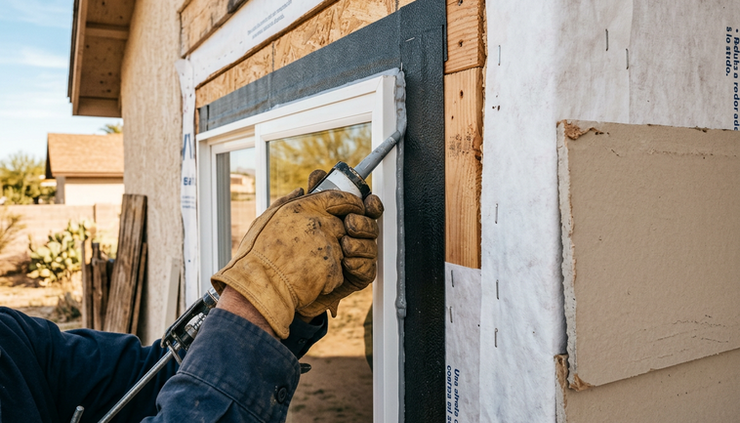
A home loses and gains energy through more than one path. Old windows can allow heat transfer, drafts, and solar heat gain. Failing siding can hide gaps, damaged insulation, or a weak weather barrier. Fixing only one part may help, but fixing both can create a stronger overall result.
New energy-efficient windows can reduce heat transfer through the glass and frame. New siding, paired with the right underlayment or insulation, can improve the wall assembly. Together, they help reduce the strain on heating and cooling systems.
That can be valuable in hot, sunny regions where air conditioning works hard for much of the year. It can also help in colder areas where drafts around windows make rooms uncomfortable.
Look for performance improvements in three places.
The glass should match the climate
Window glass packages vary. In warm climates, solar control often matters. In colder climates, insulation value may matter more. Many homes need a balance of both.
Key terms to know include:
Feature | What it means | Why it matters |
U-factor | Measures heat transfer through the window | Lower numbers generally mean better insulation |
Solar Heat Gain Coefficient | Measures how much solar heat passes through the glass | Lower numbers help reduce heat gain in hot climates |
Low-E coating | A thin coating that reflects heat | Helps manage heat flow while allowing natural light |
Gas fill | Argon or similar gas between panes | Improves insulation compared with plain air |
ENERGY STAR certification | A standard based on climate zones | Makes comparison easier for homeowners |
For a sunny market like Southern Arizona, low solar heat gain can be especially useful on west- and south-facing windows. In other regions, the best choice may differ. The goal is to choose windows designed for the local climate, not just the cheapest option on the shelf.
The window frame matters too
Glass gets much of the attention, but the frame affects efficiency, durability, and maintenance.
Common choices include:
Vinyl
Often cost-effective, low maintenance, and energy efficient when well made.
Fiberglass
Strong, stable, and resistant to expansion and contraction.
Wood-clad
Offers a traditional look inside with exterior protection, but usually needs a higher budget.
Aluminum
Durable and slim, though standard aluminum can conduct heat unless it has a thermal break.
The best frame depends on climate, style, budget, and maintenance expectations. A skilled installer can also explain whether a full-frame installation or insert installation makes sense. When siding is being replaced, full-frame options may be easier because the exterior is already accessible.
The wall system should not be ignored
New siding is not just a new surface. It is part of the wall’s defense against heat, wind, water, and pests.
Depending on the home and region, the project may include:
House wrap or another weather-resistant barrier
Flashing around windows and doors
Insulated siding or continuous foam insulation
Properly taped seams
Ventilation gaps where needed
Trim details that shed water away from openings
If the old siding has failed, crews may also uncover sections that need repairs. Addressing sheathing issues, damaged trim, or localized siding repair before installing new materials helps protect the investment.
A combined project can improve curb appeal in one clean step
Windows and siding define the face of a home. Replacing one while leaving the other outdated can create an uneven look. New siding may make old windows look more worn. New windows may make faded siding stand out.
Pairing the two upgrades allows the exterior design to feel intentional.
Color, trim width, window grille patterns, siding profile, and accent materials can all be chosen together. That helps avoid small mismatches that become noticeable later.
For example:
Wider trim can give basic windows a more substantial look.
Dark window frames can add contrast against light siding.
Smooth siding may pair well with modern window styles.
Fiber cement or engineered wood can create a more traditional appearance.
Stucco, stone accents, or board-and-batten details can be planned around the window layout.
This is also the right time to make small design changes. Some homeowners choose to enlarge a window, remove an outdated grille pattern, or update trim details. Not every change is simple, and structural changes require extra planning, but the siding phase is often the least disruptive time to consider them.

Installation quality is just as important as product choice
A high-performance window can still fail if it is installed poorly. The same is true for premium siding. Water management, air sealing, and correct fastening all affect long-term performance.
That is one of the strongest arguments for doing the work together. The crew can build each layer in the right sequence rather than forcing one new component to fit around another finished component.
Good installation should include:
Careful inspection after old siding comes off
Repair of damaged sheathing or framing before covering it
Correct flashing at window heads, sides, and sills
Sealants used where appropriate, not as the only defense against water
Proper clearances between siding and roofs, grade, or hard surfaces
Fastening that allows siding materials to expand and contract
Trim details that direct water outward
The best exterior systems do not rely on caulk alone. Caulk can fail over time. Flashing, layering, drainage, and proper shingle-style installation do the heavy lifting.
How to choose energy-efficient siding materials
Siding performance depends on the material, the wall assembly behind it, and the quality of installation. No single option is perfect for every home.
Here are common choices to compare.
Vinyl siding
Vinyl siding is popular because it is affordable, low maintenance, and available in many colors. Insulated vinyl can add a layer of foam backing that may improve comfort and impact resistance.
It works best when installed with proper fastening and room for movement. Poor installation can lead to warping or buckling.
Fiber cement siding
Fiber cement offers a sturdy look and strong resistance to fire, pests, and rot. It can mimic wood grain or provide a smooth modern finish.
It is heavier than vinyl and usually costs more to install. It also needs proper painting or factory finish care over time.
Engineered wood siding
Engineered wood can provide a warm, natural appearance with improved stability compared with traditional wood. It is often lighter than fiber cement and can be easier to work with.
It still needs correct sealing at cuts and edges. Water management behind the siding remains essential.
Stucco and exterior finishes
In the Southwest, stucco is common because it suits the architecture and climate. If a home combines stucco with siding accents, window flashing and transitions need careful planning.
This is another reason to plan windows and siding together. Mixed materials create more joints, and joints need smart detailing.
How to choose windows that support long-term savings
The right window is not always the most expensive one. It is the one that fits the home, climate, and project goals.
Before choosing, compare:
ENERGY STAR ratings for the local climate zone
U-factor and Solar Heat Gain Coefficient
Frame material and warranty terms
Glass coatings and gas fills
Noise reduction needs
Maintenance requirements
Full-frame versus insert installation
Exterior trim compatibility with the new siding
For hot climates, ask specifically about low-E glass and solar heat control. For homes near busy streets, laminated glass or upgraded glass packages may help with sound. For older homes, check whether the existing openings are square, damaged, or poorly flashed.
A quality contractor should explain the tradeoffs in plain language. If every option sounds the same, ask for side-by-side comparisons.
When it may not make sense to replace every window
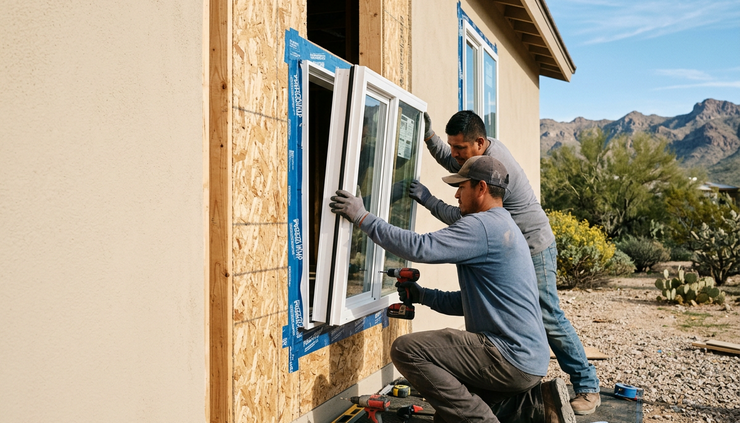
A combined project is often smart, but it should still be practical. Some windows may be newer, in good condition, or high performing already. In that case, the best plan may be to replace only the failing units while integrating the rest correctly with the new siding.
Signs that a window should be replaced include:
Drafts around the frame
Condensation between glass panes
Soft, rotting, or damaged frames
Windows that stick or do not lock well
Noticeable heat gain near sunny windows
Water stains around the opening
Outdated single-pane glass
If the windows are sound, crews can still improve the details around them during siding work. New flashing, trim, and sealing can help protect the opening. The key is to inspect before deciding.
A smart exterior plan starts with one full assessment
Before committing to siding alone, ask for an exterior review that includes windows, trim, flashing, sheathing, and insulation opportunities. This helps avoid surprises after the project begins.
A useful assessment should answer these questions:
Are the existing windows near the end of their service life?
Will the new siding profile affect the window trim?
Is there any visible water damage around openings?
Can the weather barrier be improved during the project?
Would full-frame window replacement provide a better seal?
Which materials fit the local climate and home style?
What work can be combined to reduce repeated labor?
For homeowners in the Tucson area, heat resistance, sun exposure, and low-maintenance materials should be part of that conversation. The same principle applies nationwide: the exterior should be designed for the conditions the home actually faces.
If you are planning a siding project and want to know whether new windows should be part of it, schedule an exterior evaluation with ABRC Tucson. A coordinated plan can help protect the home, improve comfort, and make the most of the budget.
Frequently asked questions
Is it cheaper to replace windows and siding at the same time?
It often costs less than doing the projects separately because crews can combine setup, removal, trim work, flashing, and sealing. The exact savings depend on the home, materials, and scope of work.
Should windows be installed before or after siding?
In many full exterior projects, windows are installed before the final siding so flashing and weather barriers can be layered correctly. The best order depends on the window type and siding system.
Do new windows and siding lower energy bills?
They can reduce energy waste when products are chosen well and installed correctly. Savings vary by climate, utility costs, insulation levels, and the condition of the old windows and siding.
What are the best windows for hot climates?
Look for windows with low-E glass, a suitable Solar Heat Gain Coefficient, strong weatherstripping, and frames that resist heat transfer. ENERGY STAR ratings for the local climate zone can help guide the choice.
Do I have to replace all windows during a siding project?
No. If some windows are newer and performing well, they may not need replacement. A contractor can inspect each opening and recommend which windows should be replaced, repaired, or properly re-flashed.
The best time to improve the exterior is while it is already open
Siding replacement is more than a cosmetic project. It is a chance to improve the layers that protect the home every day. When windows are aging, inefficient, or poorly sealed, pairing them with new siding can prevent rework and create a cleaner result.
The main advantage is simple: both projects touch the same parts of the house. Planning them together can reduce duplicated labor, improve flashing and sealing, boost energy performance, and create a better-looking exterior.
Before replacing siding alone, take a close look at the windows. The smartest savings may come from doing the work once, doing it in the right order, and building an exterior that performs as well as it looks.


